Teetotallers and the Decline of Human Civilisation.
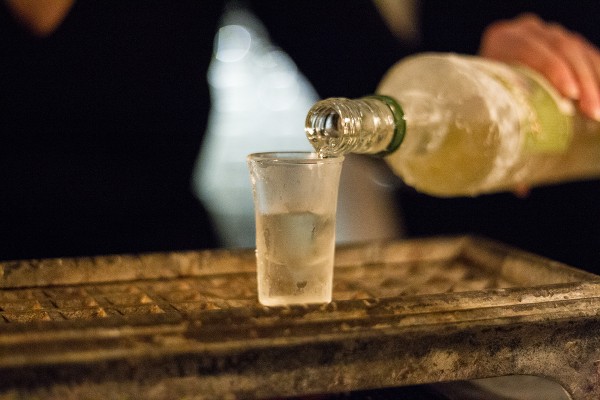
Alcohol is having its tobacco moment. Young people are going off it, and a growing chorus of busybodies would like the rest of us to give it up completely. Like many of life’s pleasures — sex, drugs, and rock’n roll come to mind — alcohol’s benefits are hard to quantify, while its downsides are easier to measure.
Of course, this isn’t the first time the bottle has been in the sin bin. In 1920, America banned alcohol outright. The nation became mob-ridden and miserable, eventually sinking into the funk of a Great Depression. There’s no evidence that anyone’s health improved — or that queues lengthened outside St Peter’s gates.
The temperance movement of the early 20th century was run by religious zealots. Its modern equivalent is run by health zealots. Both groups, convinced of their righteousness, try to convert others by banning things — a technique also favoured by vegetarians and the Taliban.

There are, however, many positive externalities to drinking. One of them is restaurants. Having invested in several, I can attest that their survival depends on selling alcohol. Food is a low-margin business; the margins on drink keep the lights on. Teetotallers in restaurants are, in essence, free riders — subsidised by drinkers whose custom keeps the kitchen open.
I have a small interest in a family run restaurant in Notting Hill. By day, it’s filled with multi-generational gatherings enjoying pasta and Italian wine. By night, local couples take a break from the kids, share a bowl of pasta and split a bottle. They probably met for the first time under similar circumstances.
Wine gently loosens inhibitions and encourages conviviality. Warmed by it, you’re suffused with goodwill — the stranger across the table looks more interesting. This, for centuries, has been how the human mating ritual begins.
Push away that glass, as so many young people are now doing, and you push away opportunity. No wonder so many remain single, convincing themselves that solitude is a form of fulfilment. Many of them even become vegetarian.

There’s nothing new in this. In the neighbourhood where I grew up, there was a woman who never drank and ate only plants. She spent most evenings alone at home. We knew her simply as the spinster.
Yes, there are succesful restaurants that don’t serve alcohol. It’s theoretically possible to meet a soulmate over a cherry Coke beneath the Golden Arches — though if your date’s favourite restaurant has a clown for a mascot, she’s probably underage. Best to move on.
Of course, drinking too much is bad for you. We don’t need governments or taxpayer-funded research to tell us that. The stages of inebriation are well known: the banter of the Jocose, the tears of the Lachrymose, the fists of the Bellicose, and finally the sprawl of the Comatose — generally involving an intimate acquaintance with the pub floor.
Responsible drinking means knowing when to call time. It’s about leaving before you lose the plot — ideally in the company of that charming person you just met.